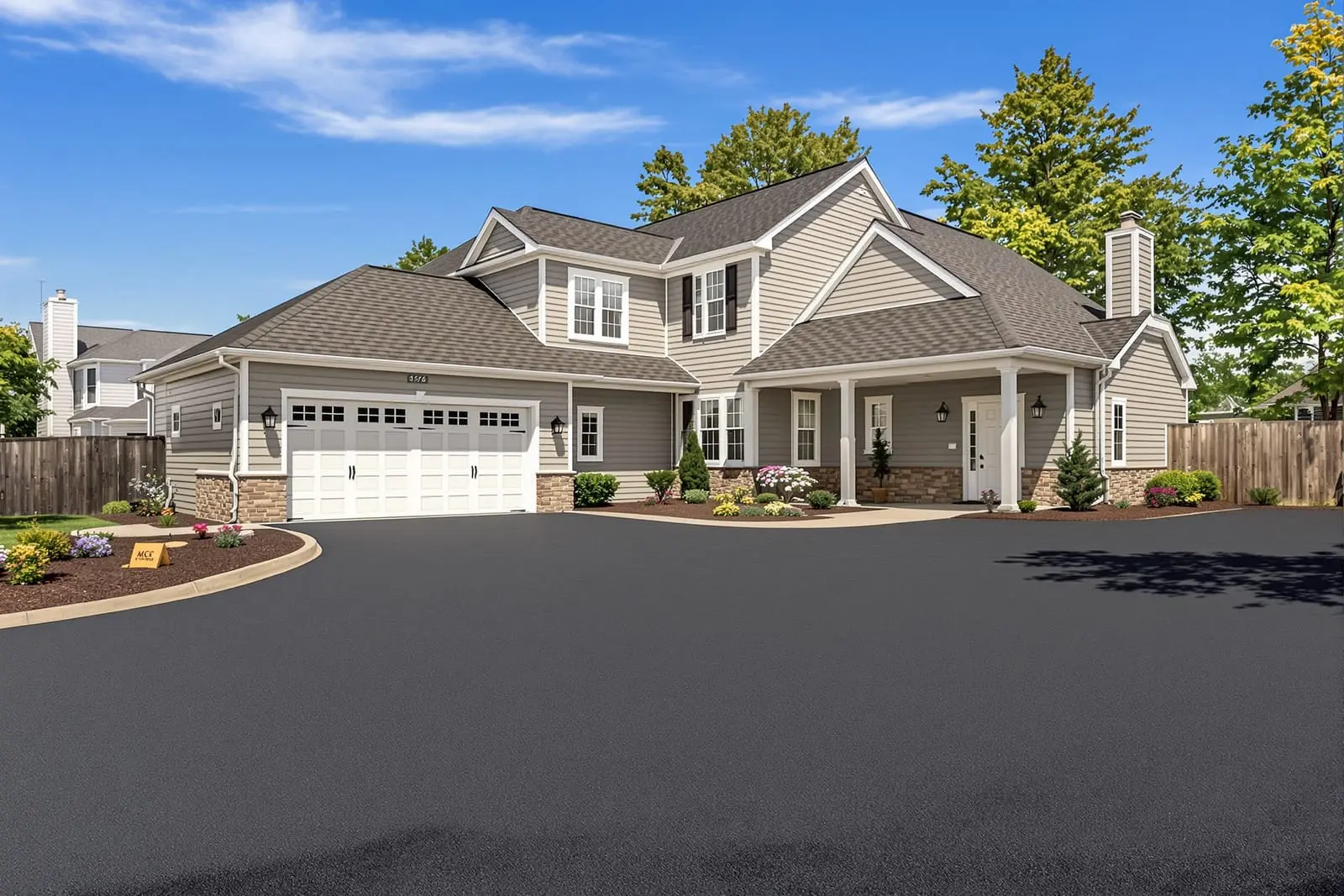
Turn muddy or dusty gravel lots into clean, professional parking with commercial gravel to asphalt conversions in Tucson, AZ. We evaluate your base, correct drainage, and design pavement for your traffic. A paved surface improves curb appeal, accessibility, and cleanliness for customers and staff.
Prestige Asphalt Tucson provides professional commercial gravel to asphalt throughout Tucson, AZ and the surrounding area. Our licensed, insured crew delivers safe, clean, on-time work with a free estimate before anything begins. Call (520) 462-7505 or request your free quote.
Turn Gravel Lots Into Durable Asphalt With a Plan That Fits Your Property
If you are tired of dust, mud, and ruts in your commercial lot, a commercial gravel to asphalt conversion can be a smart upgrade. At Prestige Asphalt Tucson, we help local businesses turn loose gravel surfaces into smooth, long‑lasting asphalt that looks professional and is easier to maintain.
The first step is a site walk. We look at how your traffic actually flows, where trucks turn, where customers park, and how water currently drains. Tucson has sudden monsoon downpours, so we pay close attention to low spots, washout paths, and any signs of standing water in your gravel. If we see existing ruts or ponding, we know the base or drainage will need correction before asphalt goes down.
During this visit, we also measure the lot, identify access points, and talk through how to keep your business open during construction. For busy plazas or industrial sites, Prestige Asphalt Tucson can phase the work so you never lose all your parking at once. We also check any existing utilities, like cleanouts, manholes, or water valves, so they end up at the right height in the finished asphalt.
How Commercial Gravel to Asphalt Conversions Are Actually Built
A proper conversion is more than just paving over gravel. The quality of the finished asphalt is only as good as the base beneath it.
1. Strip and regrade existing gravel: We start by cutting or scarifying the existing gravel, then use graders and compactors to reshape it to the right slopes for drainage. In Tucson, we usually build at least a 2 percent slope toward drains or edges so monsoon water does not sit on the surface.
2. Strengthen the base where needed: Many older gravel lots have soft or mixed material under the surface. We proof‑roll the area with a loaded roller or truck to find soft spots. If the base pumps or deflects, we dig those spots out and replace them with compacted aggregate base. For heavy trucks, we may thicken the base or use a stronger gradation to handle axle loads.
3. Compact in proper lifts: Instead of trying to compact thick layers at once, we place aggregate base in lifts, usually 3 to 4 inches at a time, then compact with vibratory rollers. This step matters a lot in Tucson because dry, loose soils will shift if they are not densified correctly before paving.
4. Fine grading and proof‑rolling: Before asphalt is placed, we final grade and smooth the base, then perform another proof‑roll to check for movement. Any last soft spots get repaired now, not after you have customers driving on it.
5. Place hot mix asphalt: We typically install commercial asphalt in one or two lifts, depending on your traffic. A light retail lot might get 3 inches compacted thickness, while truck traffic may need 4 to 6 inches or more. We use asphalt mixes suited to southern Arizona temperatures so the surface holds up under summer heat rather than rutting or flushing.
6. Final compaction and joints: The asphalt is compacted while it is still hot to lock the aggregate together. We pay close attention to seams between paving passes so you do not end up with weak joints that crack early.
Design Choices: Thickness, Mix Types, Striping, and Drainage That Fit Tucson Use
Every commercial gravel to asphalt conversion is customized around how the site is used. Prestige Asphalt Tucson walks you through the tradeoffs so you get a surface that matches your traffic and budget.
Pavement thickness and base depth: For small office or medical parking, a typical section might be 4 inches of compacted aggregate base with 3 inches of asphalt. For industrial yards or delivery routes with frequent semi trailers, we often recommend 6 inches or more of base and 4 or more inches of asphalt. Spending a little more on structure up front can dramatically reduce rutting and patching later.
Asphalt mix options: In Tucson, we lean toward mixes that resist high‑temperature deformation. We can specify mix designs with harder binders and dense aggregate gradations for heavy‑duty areas, and slightly more flexible mixes in low‑stress zones like employee parking.
Drainage layout: Monsoon storms can drop a lot of water in a short time, so drainage is a design priority. We may recommend concrete valley gutters, additional catch basins, or simply re‑shaping grades to shed water to the street. For gravel lots that already have erosion issues near entrances, we often build paved tie‑ins and swales to control runoff.
Striping and layout: Once the asphalt cures, we stripe stalls, ADA spaces, fire lanes, and loading zones. This is the best time to improve circulation compared to your old gravel layout. For example, we might add a one‑way drive aisle, create a dedicated delivery lane, or clearly mark customer versus employee parking.
Edges and transitions: To keep the new asphalt from unraveling, we address how it transitions to sidewalks, dirt shoulders, or neighboring gravel lots. That might mean adding a concrete header, sawcutting and tying into existing pavement, or building a small paved apron at dumpster pads where truck tires turn sharply.
Costs, Scheduling, and Common Problems With Gravel‑to‑Asphalt Projects
The cost of a commercial gravel to asphalt conversion in Tucson varies based on three main factors: thickness, base condition, and drainage complexity.
If your existing gravel lot has a good, thick base and decent drainage, we may be able to regrade, compact, and pave with minimal undercut work. That is the most cost‑effective scenario. If we find thin spots, organics, or pockets of loose desert soil under the gravel, we will recommend undercutting and replacing with aggregate base. This adds cost, but skipping it usually leads to early cracking and potholes.
Drainage fixes can also impact price. Adding catch basins, tying into existing storm systems, or forming concrete gutters are extra line items, but they are important in areas that already pond water during storms. Tucson clay pockets can hold moisture, so getting water off and away from the pavement is critical.
Scheduling in Tucson is also driven by weather. Summer heat is workable, but extremely high afternoon temperatures can make compaction tricky if the mix cools unevenly. Monsoon season brings sudden storms that can stop work and damage unfinished base or fresh asphalt. Prestige Asphalt Tucson watches the forecast and often schedules major paving and base preparation during the drier stretches of late fall through spring when possible.
Common problems we address on gravel conversions include: dust migration to neighboring properties, tracking of gravel into buildings, rutting in heavy truck paths, and ADA non‑compliance caused by uneven surfaces. The design phase is where we solve these for good, with hardened truck routes, defined pedestrian paths, and compliant slopes at accessible spaces and routes.
What to Expect When You Hire Prestige Asphalt Tucson
When you contact Prestige Asphalt Tucson about a commercial gravel to asphalt project, you can expect a clear process and straightforward communication.
1. On‑site meeting and proposal: We walk the property with you, discuss your traffic patterns and growth plans, take measurements, and document drainage issues. You receive a written proposal that outlines pavement structure, drainage improvements, phasing options, and a realistic schedule.
2. Permits and coordination: For larger conversions in Tucson or Pima County, permits or site approvals may be needed. We can coordinate with your engineer or help you understand what the city requires for driveways, ADA compliance, and any stormwater measures.
3. Construction and phasing: Before work starts, we set up a phasing plan so your customers and employees know where to park each day. We post signage, maintain safe pedestrian paths, and keep you updated on milestones like base completion and paving days.
4. Final walkthrough and maintenance guidance: After paving and striping, we walk the lot with you to verify drainage, layout, and access. We also provide simple maintenance recommendations tailored to Tucson conditions, such as when to schedule the first sealcoat, how to handle oil spills, and what early warning signs of base issues look like.
A well planned commercial gravel to asphalt conversion can transform a dusty, high‑maintenance lot into a clean, efficient paved surface that reflects well on your business. If you are ready to look at options for your property in Tucson, Prestige Asphalt Tucson can put together a detailed plan that fits your budget and your long‑term needs.
“
Professional commercial gravel-to-asphalt conversions, done right the first time, quality materials, honest pricing, and results that last.
Prestige Asphalt Tucson
Commercial Gravel-to-Asphalt Conversions Across Our Service Area